














































In a dramatic shift that has sent ripples across the luxury drinks industry, heritage spirits house Rémy Cointreau has taken the unprecedented step of suspending its long-term strategic objectives for the 2029–30 financial year. The French group, renowned globally for its flagship Rémy Martin Cognac and Cointreau liqueur, has blamed deteriorating trading conditions, escalating tariffs, and persistent underperformance in key markets for the decision.
The move marks a sobering moment for an industry still recalibrating in the wake of the pandemic—and now wrestling with new waves of geopolitical and economic uncertainty.
A Strategy on Ice
Back in 2020, Rémy Cointreau outlined a bold vision: to achieve high single-digit organic growth annually and push gross profit margins to around 72% by 2030. At the time, the company was riding a wave of post-lockdown premiumisation, as consumers globally turned to quality over quantity. But the realities of the last two years have bitten deep.
With tensions rising between the United States and China, including the threat of tit-for-tat tariffs on imported spirits, and a sharp slowdown in demand across key markets—particularly in the Americas and Asia-Pacific—Rémy has decided to quietly shelve its original ambitions.
In a statement made earlier this month, the company confirmed that its previous financial targets are “no longer appropriate” under current conditions.
Financial Friction
The numbers paint a clear picture. Rémy Cointreau’s organic sales plunged by 18% for the full year ending March 2025, falling to €984.6 million. Reported sales dropped by 17.5%. The group’s Current Operating Profit (COP) took an even sharper hit, down by 30.5% to €217 million, with margins squeezed despite aggressive internal cost savings.
In fact, cost-cutting efforts delivered €85 million in savings—considerably ahead of the €50 million originally forecast—offering some cushion against falling revenues. Still, the downward trend in overall performance prompted immediate scrutiny from investors and analysts alike.
The Cognac division, which accounts for a significant portion of the business, bore the brunt of the decline. Organic sales dropped by 21.9%, with operating profit down 32.4% and operating margin slipping from 34.8% to just over 30%. While the Liqueurs & Spirits portfolio fared slightly better, with a more modest sales decline of 9.6%, the group-wide outlook remains decidedly cautious.
Tariffs and Trade Wars
At the heart of Rémy Cointreau’s troubles is the brewing storm of trade disputes and retaliatory tariffs. The threat of new US import duties—possibly reaching up to 20%—combined with China’s proposed 38% tariffs on French cognac has created a deeply unstable environment for premium spirits exports.
The company estimates that the combined impact of these duties could shave €65–100 million from its 2025–26 operating profits. That risk alone has forced a rethink, with the group openly acknowledging that such unpredictable dynamics have made long-range financial forecasting unviable.
A Change in the House
All of this comes as Rémy prepares for a change at the top. CEO Eric Vallat is stepping down, with LVMH veteran Franck Marilly set to assume leadership on 25 June 2025. Marilly’s task will be formidable: restore confidence, reinvigorate performance, and navigate the brand through some of the most treacherous waters the luxury drinks sector has seen in recent memory.
While Rémy’s leadership insists the group will return to growth in the year ahead—with expectations for mid-single-digit organic revenue improvement and a bounce in operating profit (excluding tariff impact)—analysts remain watchful.
Brand Building vs Belt Tightening
An area of particular concern is marketing investment. In recent years, Rémy Cointreau’s advertising and promotional spend has contracted, from €433 million in 2022 to €286 million in 2025. While this move supported short-term cost containment, it may also have hampered brand visibility and momentum, particularly in competitive, image-driven categories such as Cognac.
With margins under pressure and global volumes slipping, the challenge now is to reassert the brand’s prestige without overextending the budget. Marilly is expected to make a strategic decision on this balance early in his tenure.
What It Means for the Nightlife and Hospitality Sector
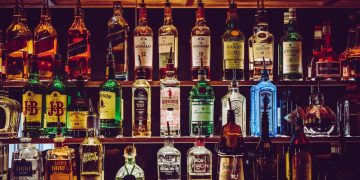
For high-end venues, mixologists, and luxury club operators—where bottles of Rémy Martin often hold pride of place on backbars and menus—this shift could signal more than just a business adjustment. Supply constraints, pricing volatility, and repositioning of the brand may alter availability and cost structures for premium pours across the hospitality spectrum.
Moreover, this episode serves as a wider warning for the spirits world: premium doesn’t always mean protected. Even brands with heritage and global cachet must remain agile, resilient, and responsive to shifting winds—both political and commercial.
The Bancm Perspective
Rémy Cointreau’s decision to withdraw its decade-long roadmap may feel like a retreat, but in reality, it’s a recalibration. Market conditions have changed dramatically since 2020, and clinging to outdated projections would have risked credibility. Instead, the group is signalling pragmatism—a willingness to adapt before things unravel further.
As the new CEO steps in and fresh strategies take shape, all eyes will be on how Rémy reinvents itself. Will the group double down on quality and heritage? Or will it pivot towards diversification and reinvestment in emerging markets?
Either way, the spirits industry—and the nightlife it fuels—should take note. In an era where brand loyalty is hard-won and easily lost, the measure of success may lie less in long-term forecasts and more in the courage to pivot when the music changes.